Recent headlines about potential hantavirus exposure cases in New Jersey have understandably raised questions among pet owners. While public health officials continue to emphasize that the overall risk to the public remains very low, it is still a good reminder to take proper precautions around rodents and rodent-contaminated areas — especially in and around the home.
At Mount Laurel Animal Hospital, we believe education and prevention are the best tools for keeping both pets and people safe.
WHAT IS HANTAVIRUS?
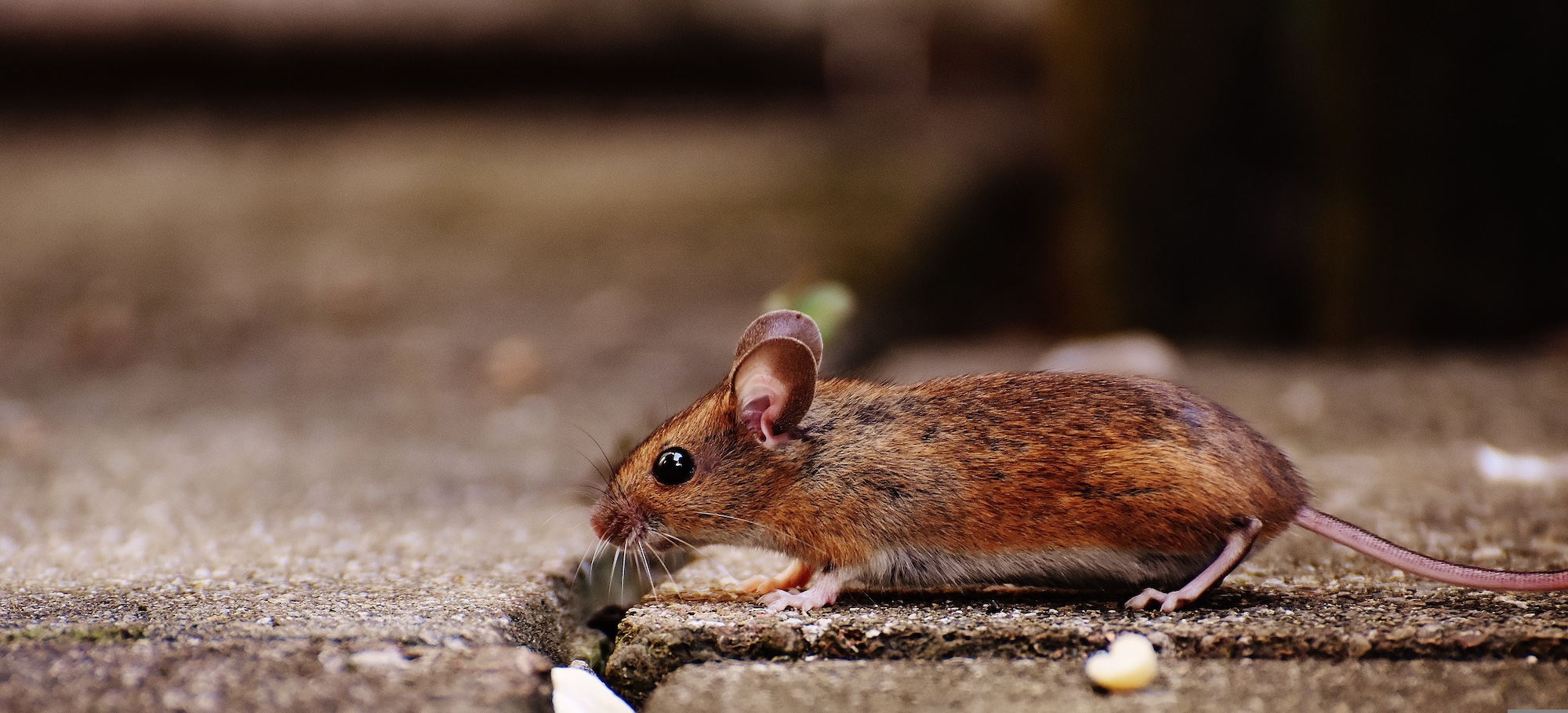
Hantavirus is a rare but serious virus primarily spread by infected rodents, particularly deer mice. People can become exposed through contact with rodent urine, droppings, saliva, or contaminated nesting materials. In some cases, the virus may become airborne when contaminated areas are swept or disturbed.
Although hantavirus infections are uncommon, they can lead to severe respiratory illness in humans.
Importantly, dogs and cats are not considered primary carriers or major sources of transmission for hantavirus to people. However, pets may still encounter rodents outdoors or in areas where rodents are active, making rodent prevention an important part of overall household safety.
ARE PETS AT RISK?
Current evidence suggests that hantavirus mainly affects humans and rodents. Dogs typically do not develop hantavirus disease, and while cats may hunt rodents, they are not considered significant spreaders of the virus to humans.
That said, rodents themselves can create hazards for pets beyond hantavirus exposure. Rodents may carry parasites, contaminate food sources, or introduce other diseases and toxins into the environment.
For this reason, pet owners should take steps to minimize rodent activity both inside and outside the home.
TIPS TO REDUCE RODENT EXPOSURE AROUND PETS AND FAMILIES
- Store pet food in sealed, rodent-proof containers whenever possible.
- Avoid leaving food bowls outdoors overnight.
- Inspect garages, sheds, basements, barns, and crawl spaces regularly.
- Avoid sweeping or vacuuming rodent droppings immediately.
- Wear gloves and disinfect contaminated surfaces during cleanup.
- Keep grass trimmed and remove debris where rodents may hide.
- Monitor pets that frequently hunt rodents or wildlife.
WHEN SHOULD PET OWNERS BE CONCERNED?
At this time, there is no indication of widespread hantavirus risk for pets in New Jersey. However, if your pet shows signs such as lethargy, difficulty breathing, decreased appetite, or unusual illness after possible exposure to rodents or wildlife, it is always best to contact your veterinarian for guidance.
Additionally, if anyone in your household develops flu-like symptoms after significant rodent exposure — particularly fever, fatigue, or breathing difficulty — seek medical attention promptly.
PREVENTION IS THE BEST PROTECTION
While news stories involving rare viruses can understandably cause concern, the most effective response is awareness — not panic. Simple preventative measures like rodent control, proper cleanup techniques, and safe food storage can go a long way toward protecting both pets and people.
The team at Mount Laurel Animal Hospital is committed to helping families stay informed about emerging health concerns affecting our community. If you have questions about your pet’s health, wildlife exposure, or preventative care, our team is here to help.
Because when it comes to your pet’s safety, staying informed matters.